

Everything I read in January
A big reading milestone + a reason to feel good about getting older


Pre-Script: For reasons I do not fully understand, my mouth is especially potty today. I considered toning it down and then decided to leave it as it came out. You’ve been warned and thank you for accepting me as I am.
If you fall within the lineage of brainy young women who lost themselves in the hallways of humanities departments — and maybe even attempted some graduate work — you have most definitely encountered the work, the myth, and the legend of Anne Patricia Carson: classicist, translator, poet of extraordinary vim1 and erudition.
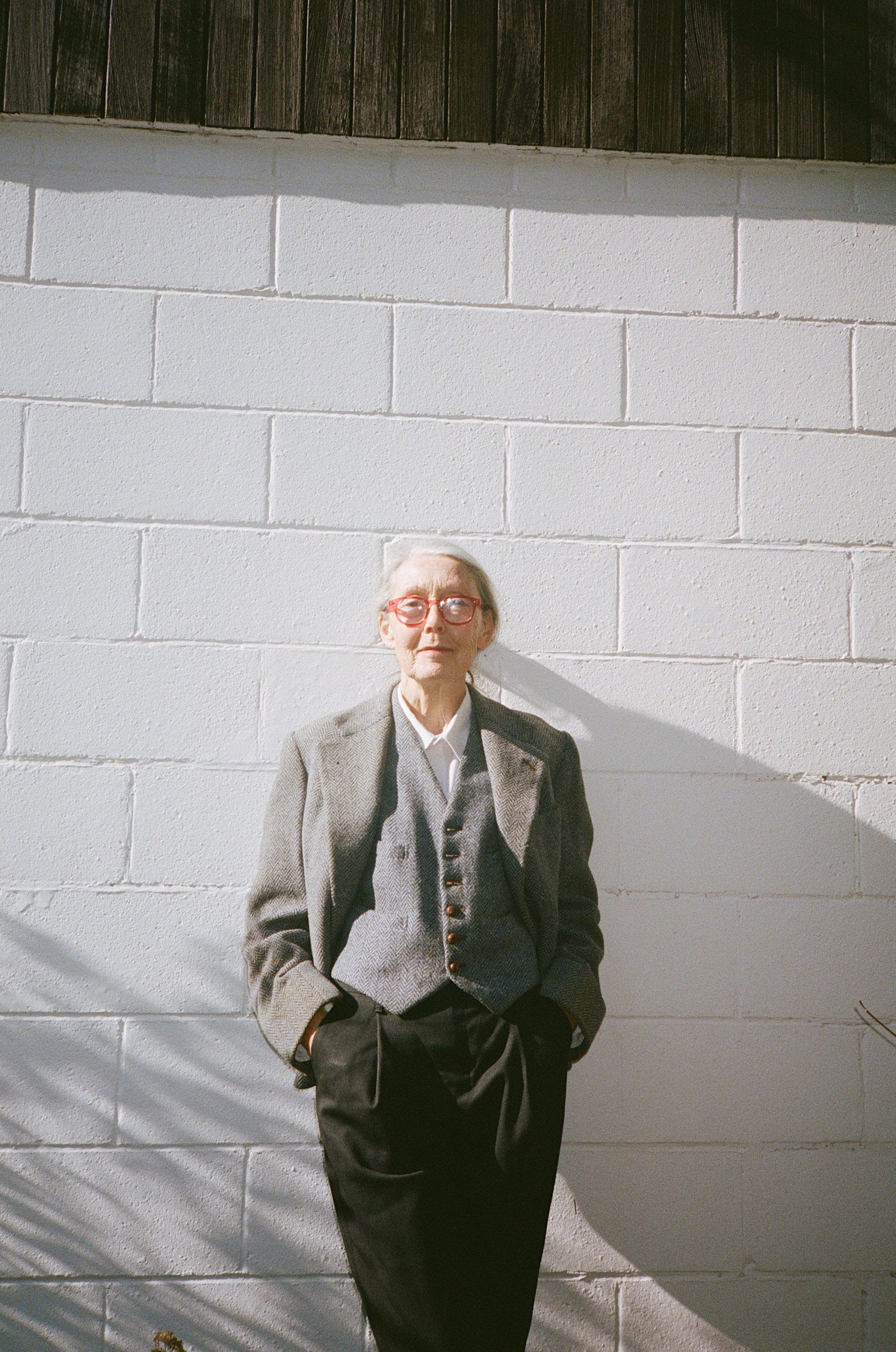
Such is the aura of said author — bolstered by her wit and unmistakable personal style — that the only thing rivaling the reverence her work holds in your little heart is the fear that you are not smart enough to get it. And so you spend years (and now, decades) lusting after and fearing her work in equal measure, to the point of embarrassment and complete and utter humiliation. Because who on Earth has not read Anne Fucking Carson?! Meanwhile, the world is going to hell in a handbasket, and we are not going down without having read Anne Fucking Carson. Friends, this past month, I did it.
The moment I opened Autobiography of Red, I knew I would fucking love it. It is so specific, so whimsical, so tender without ever tipping into saccharine or melodrama. Erudite without pushing you out. The opening section gives you just enough grounding in the mythology it builds upon that, as the story unfolds, you feel a little bit like you’re shitting your pants — but step by step, you realize you are, in fact, prepared for the adventure.
By the end, you’ve wiped away a few tears and feel somehow softer and smarter than you did at the beginning. Plus, you’re left with a follow-up reading list to carry you forward. A truly memorable, climactic reading experience. I would say it’s been a while since I felt this way… but actually, it reminded me of finishing Anna Karenina. Or The Last Samurai, for that matter (more on that in a bit).
Somehow, at almost 45, I still surprise myself when I read a hard book and feel like I got it. How odd. Yes, certain texts require more preparation than others. As Annahid Nersessian points out, some authors operate with a certain amount of erudition and insiderness that doesn’t exactly make you feel invited to the party.
And yet, I’m still learning that one of the best surprises of getting older is that literature begins to feel more accessible — not because you are smarter than you used to be, but because life has pushed you through enough tight spaces that you no longer read with your intellect alone. You read with your whole entire scratched-up being. You metabolize the words — yes, with your mind, but also with your body and your soul. Even the parts that remain intellectually challenging can now be held, processed, lived with.
For those of you who are worried about getting older — honey, you don’t even know how wonderful it is.
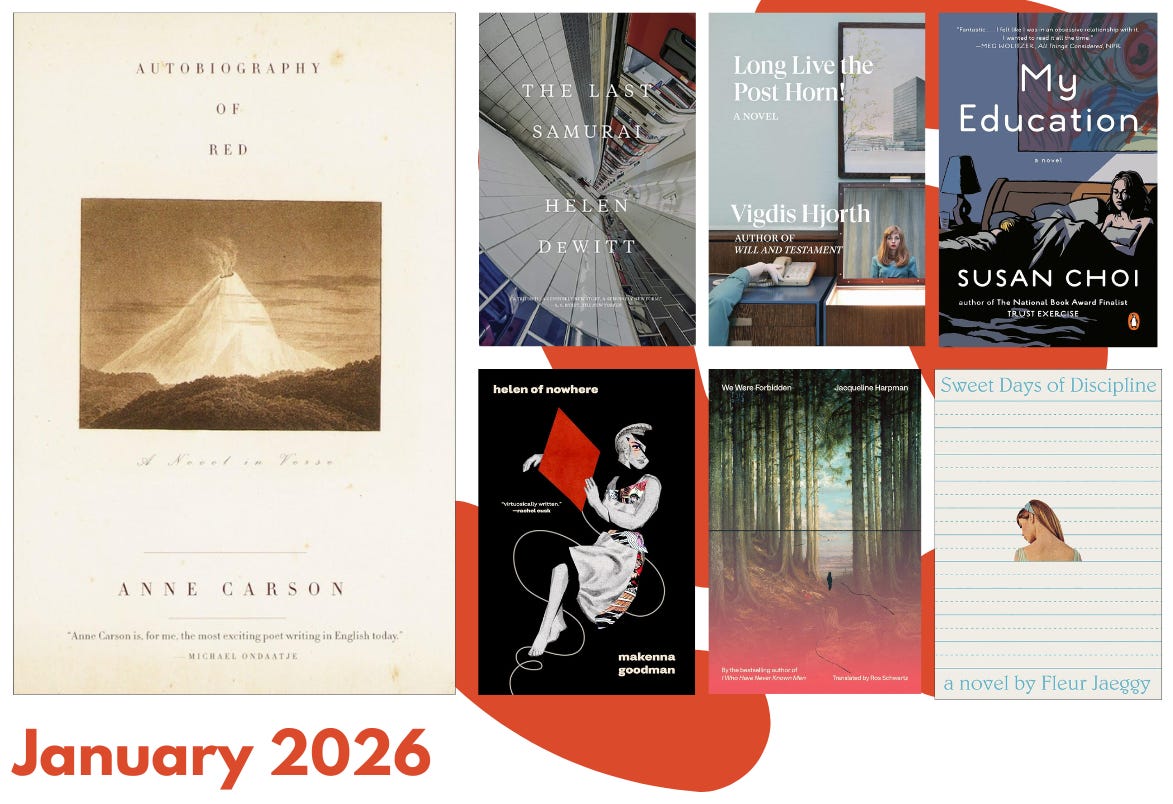
📚 Books mentioned:
The Last Samurai — Helen DeWitt
Long Live the Post Horn! — Vigdis Hjorth
Helen of Nowhere — Makenna Goodman
Autobiography of Red — Anne Carson
My Education — Susan Choi
Sweet Days of Discipline — Fleur Jaeggy
We Were Forbidden — Jacqueline Harpman
🥳 Birthday Month Special
Before I get into book stuff — February is my birthday month and I’m turning 45. If you’ve been thinking about upgrading to a paid subscription, I’m offering a choose-your-gift birthday option — pick whatever feels right:
A paid subscription supports this nerdy corner of the internet by funding my book-buying habit.

📚 The Last Samurai — Helen DeWitt
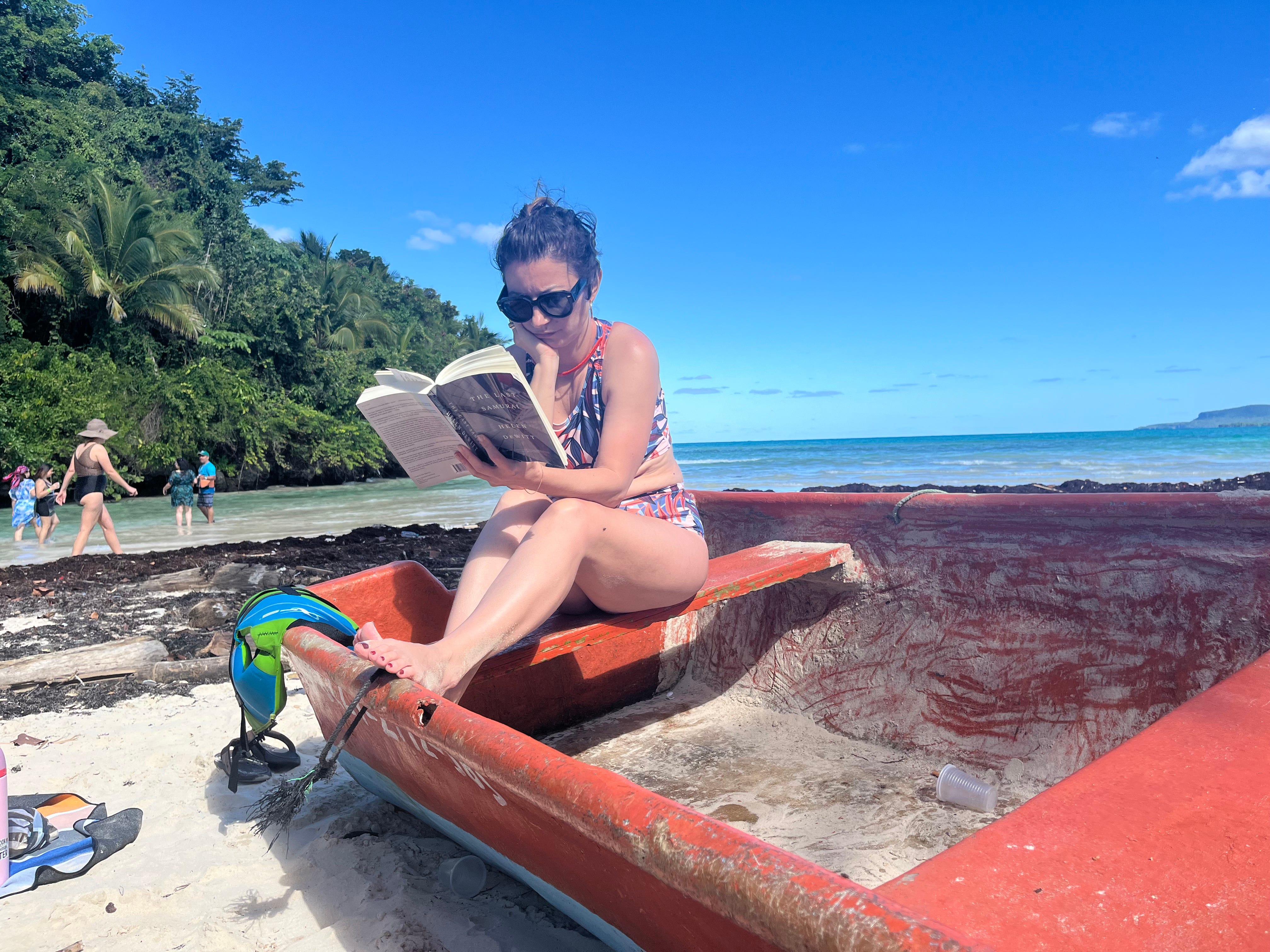
My reading year started with a bang. Following Sara Hildred’s now-famous advice for managing holiday reading anxiety by picking just one big book to carry you through, I started The Last Samurai on Christmas Day. It was the only book I brought with me on vacation to the Dominican Republic.
Travel included two three-hour flights each way, both of which I spent reading. I read most of the book on various beaches and finished it as we were literally taxiing to the gate back in Memphis, bawling my eyes out. I mention this not to bore you with travel logistics or to brag, but because for this book, the circumstances of reading really matter. The storytelling is herky-jerky at first, and if I hadn’t been reading it while on vacation—with a kind of enforced sensory deprivation to begin with—I’m not sure I would have had the patience to stick with it, let alone enjoy it.
Even though I loved many sections as I was reading, there was also a lot that challenged my interest and focus. This is very much a book that comes together in the end—but it makes you work for it.
By way of synopsis: a strange, curious American woman named Sybilla grows up in towns where “they were excited to be getting their first motel,” fakes a degree and letters of recommendation, and gets herself accepted into Oxford. She is deeply committed to getting away—and staying away. To make ends meet, she takes a job at a publishing house and, after a work party, has a one-night stand with a famous travel writer.
I feel ridiculous that of all the extraordinary writing in this book, this is what I’m about to share—but DeWitt’s description of Sybilla and her one night stand Liberace’s encounter is the funniest depiction of a one-night stand I have ever read:
No sooner were Liberace and I in his bed without our clothes than I realised how stupid I had been. At this distance I can naturally not remember every little detail, but if there is one musical form that I hate more than any other, it is the medley…
Well then, you have only to imagine Liberace, hands, mouth, penis now here, now there, no sooner here than there, no sooner there than here again, starting something only to stop and start something else instead, and you will have a pretty accurate picture of the Drunken Medley.
The Drunken Medley results in a child, whom Sybilla chooses to raise on her own. She never liked the father all that much, and given the circumstances of the child’s conception, she sees no point in bringing him into the picture.
The little boy, Ludo, may be a prodigy. By age three, Sybilla begins teaching him foreign languages, science, and mathematics to occupy his restless mind. She also starts showing him Kurosawa’s Seven Samurai as a way of compensating for the absence of any positive male role models in his life.
A large portion of the book is dedicated to Sybilla’s devotion to raising a child of extraordinary intelligence, and much has been written online about the novel’s contribution to discussions of “genius culture,” pedagogy, and what it means to educate a child outside traditional institutional structures. But what struck me most about Sybilla’s parenting was how much it felt — at its core — like regular, ordinary parenting, regardless of IQ.
Because any parent will tell you: children stun you with how much they arrive already knowing, how clearly they see through your schemas and machinations, and how — even when you are raising them with another parent — they still ask questions you feel utterly unequipped to answer. Add to that the need to provide for them, and the book becomes a devastating portrait of how impossible it is to feel good about parenting when you also have to work. Needing to work, alongside needing to rest, alongside needing to burrow into a hole and be alone — it all puts you in a pressure cooker of guilt, love, devotion, and the vital necessity to forgive yourself when you snap at them for asking yet another question.
I want to be careful not to spoil the book for those of you who still plan to read it, but the ending made me think that the boy’s desperate quest to find his father is also a desperate attempt to keep his mother from unaliving herself. That his panicked dedication to study mirrors her own — her desperation to stay tethered to life in the only way she knows how: through ideas, learning, and knowledge. Through staying connected to humanity and creation when human relationships themselves feel unbearable. As someone who’s been in that deep dark space, Ludo’s love for Sybilla was my favorite part of the book. 😭😭😭
Note: the piece above is for everybody who’s already book.
For a wildly different take on this book, please check Martha’s review of it. We read it together and it felt helpful to both of us to be able to chat about it as we were reading… if for no other reason, to remind each other that we’re smart enough for it. 🫣
📚 Long Live the Post Horn! — Vigdis Hjorth
I was genuinely worried that after The Last Samurai I wouldn’t be able to enjoy anything else. I needed something less demanding, but my brain was still completely lit up, and I couldn’t bear the idea of reading something vapid. Enter Vigdis Hjorth.
Last year I read and loved Will and Testament and Is Mother Dead, so I knew this one would work for me too. It’s my least favorite of the three — but only because I’m comparing her to herself, which feels like an unfairly high bar.
Long Live! follows Ellinor, a media consultant who finds herself adrift in life and disconnected from any real sense of purpose. When her business partner disappears — and then takes his own life — Ellinor is left to pick up his work, including managing a campaign for the Norwegian postal workers’ union opposing a directive that would privatize parts of the postal service.
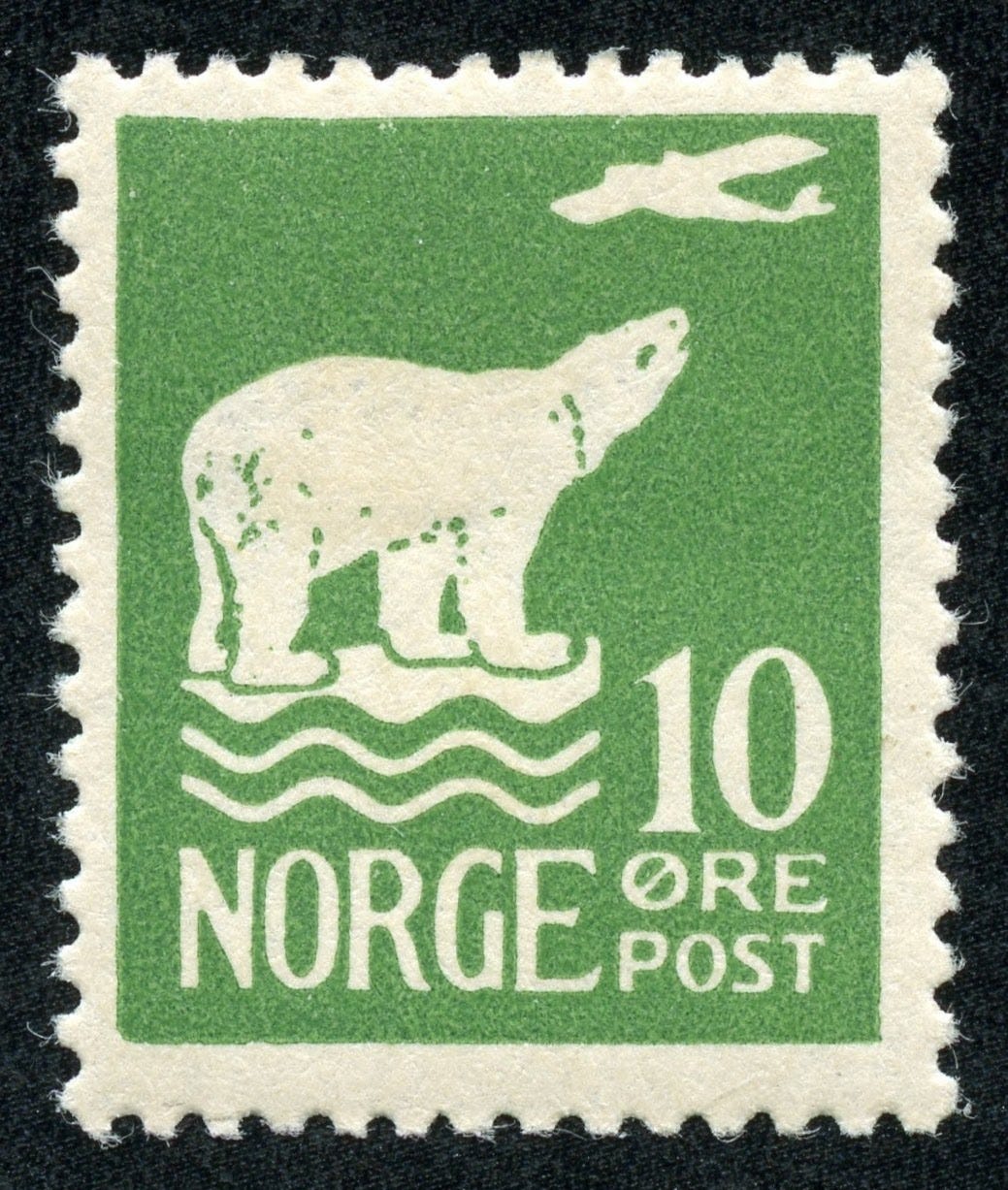
At first, she approaches the assignment with distance and skepticism. But over the course of the book, the campaign’s mundane details, including a story about a postal worker’s attempt to deliver an undelivered letter, begin to work on her. What emerges is a renewed attentiveness to language, communication, and the often invisible connections that give value to everyday life.
The novel depicts both a political and a personal awakening, exploring loneliness, existential malaise, and small political struggles as the unlikely sites of meaning and self-discovery. It was originally published in Norway in 2020, so the context is obviously different — but I found it unexpectedly poignant and deeply soothing when read in our current American moment, as so many of us wonder whether our small acts of political resistance connect to anything larger, or amount to anything at all.
I say it every time when I write about Hjorth but I mean it — I am a fan.
📚 Helen of Nowhere — Makenna Goodman
I went into this book with very high expectations after remembering how much I loved Goodman’s first novel, The Shame. Helen of Nowhere centers on an unnamed former English professor — dismissed from his career, estranged from his wife, and searching for some kind of fresh start.
He travels to the countryside to consider buying a house once owned by a woman named Helen. As he tours the property with a charismatic (weird? charlatan?) realtor, he learns about Helen’s life and her vision for living closely with nature. The novel alternates between the increasingly bizarre interactions with the realtor and the professor’s reflections on his past.
The book examines his ego, personal and professional failures, and longing for reinvention, while circling larger questions about identity, rural retreat, male obsolescence, and the possibility — and cost — of happiness. I’ve seen the novel described as surreal or philosophical, and as someone who loves a weird book, I expected to be fully on board. Instead, I mostly found myself confused. I have yet to read a novel about gender dynamics in academia that I didn’t like — this one included — and Goodman is such a fun, different writer. But I couldn’t quite figure out what to do with the trippy parts. I wondered if I was supposed to find them funny, but I just… didn’t.
In moments like this, I tend to rewatch that little clip of Leigh Stein explaining that if you’re expecting something funny or profound and instead feel flat, baffled, and vaguely annoyed, you’re probably reading satire. But even with that framing in mind, the critique of white male fragility felt too heavy-handed to me, and the return to sanity at the end felt a little undeserved.
If you read this and loved it, please tell me how I’m wrong. I genuinely wanted to love this one.
📚 Autobiography of Red — Anne Carson
Okay. So. This is a verse novel that reimagines the ancient Greek myth of Geryon. In Greek mythology, Geryon is best known as the formidable opponent Heracles defeats in his tenth labor, when he steals Geryon’s prized herd of red cattle from the mythical island of Erytheia. He is often depicted as having three bodies or three heads, a fearsome warrior related to Medusa, and the owner of a two-headed dog named Orthrus.
In Carson’s contemporary retelling, Geryon is a sensitive boy growing up in the modern world — beautiful, but harsh. Carson blends poetry, essay, and mythological scholarship to tell a coming-of-age story shaped by desire, abuse, photography, and loss. At the center is Geryon’s intense, formative relationship with Herakles, rendered as a first love that is both erotic and devastating.
If, like me, you’re drawn to stories of queer love and sexual awakening told in imaginative, formally daring ways, you will love this book. I felt my whole body tingle while reading it, and I think I even relived some of the humiliation of the aborted sexual encounters of my adolescence. Good riddance to all of that. And yet, there was something deeply fortifying here. The abuse and humiliation Geryon experiences never eclipse the way those experiences come to inform and energize his life and work as an artist.
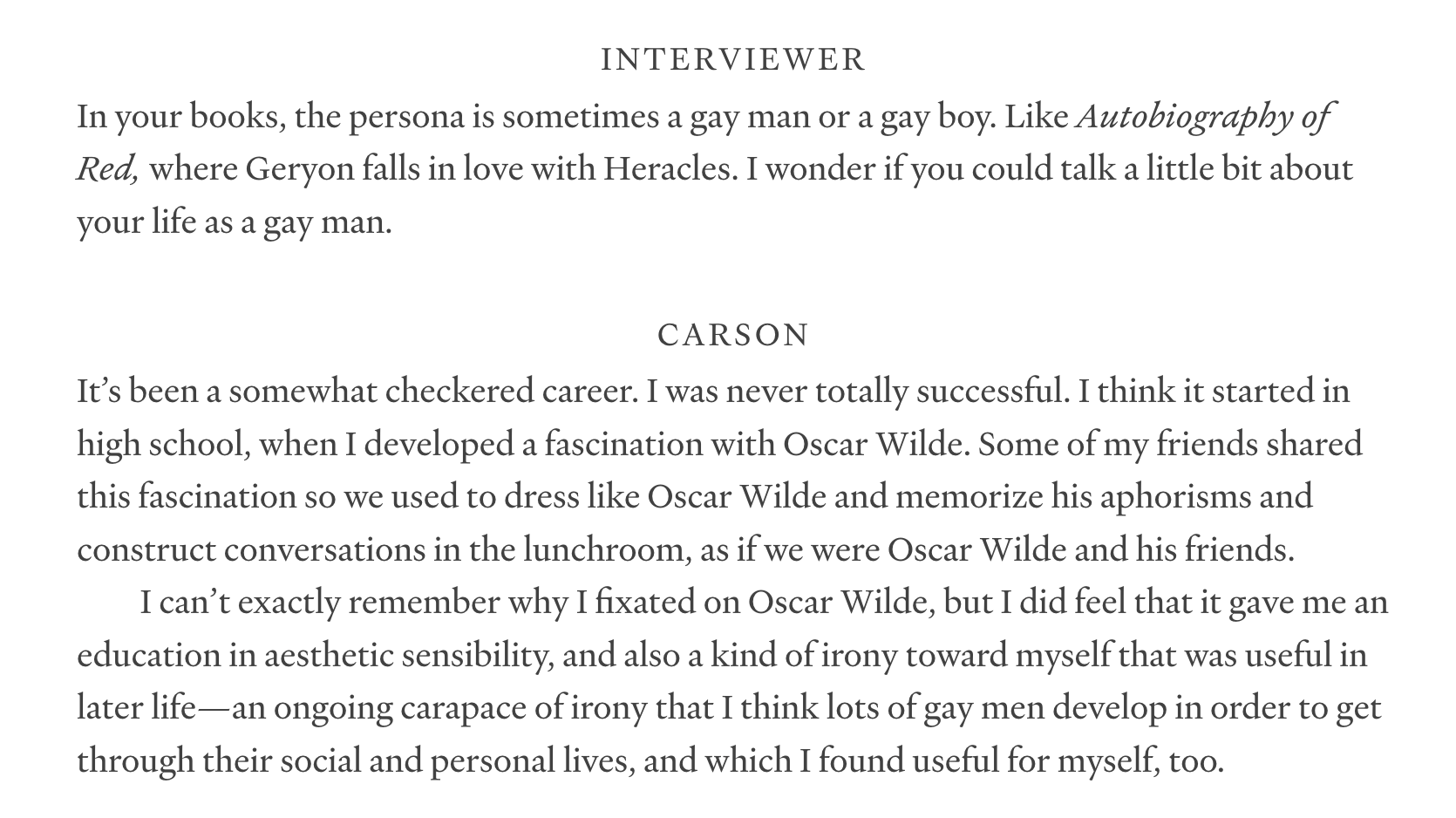
Now that I have faced my fears and survived my first Anne Carson, I feel… unstoppable.
For anyone else on a similar reading journey, I asked the good people of the internet where to go next. Alexander Chee told me there is a sequel, Red Doc, and that he also loves Kinds of Water as a next step. Others strongly recommended Glass, Irony and God, Wrong Norma, and Eros the Bittersweet. I was also encouraged to widen the aperture to Louise Glück (The Wild Iris), Robert Creeley, Frank O’Hara, Charles Wright (Black Zodiac is a good place to start), Bernadette Mayer, Lauren Levin, Mary Ruefle, Jack Gilbert, Lorraine Niedecker, and Elise Partridge.
You know I love a good reading list. Please tell me your thoughts on this one. And also… can we agree that the internet, at its best, is incredibly generous and affirming?
📚 My Education — Susan Choi
This was my “romp” of the month. A novel about Regina Gottlieb, a graduate student in the early 1990s who becomes entangled in a complex sexual and intellectual relationship with her married professor and his wife.
The book is a psychologically dense exploration of agency, feminism, and the stories people tell themselves in order to justify formative experiences (i.e. bad life choices we make when we are in our 20s). When I shared in our Friday Book Chat that I was reading it a few weeks ago, someone said they were disgusted by the novel and couldn’t believe it had been nominated for several prestigious literary awards. I understand the reaction — to an extent — as we’ve learned so much as a culture about power dynamics and exploitation in the aftermath of #MeToo.
That said, as someone roughly of the generation depicted in the book, I felt Choi told a trivial story very truthfully. (I spent many years in and around a continental philosophy department, I should know.) And there’s still a part of me that believes screwing up — and, yes, screwing — is a vital part of self-discovery, one that allows us to arrive at a sense of dignity that feels earned rather than assigned.
Could some of the drama have been avoided? Of course. But as someone who is wildly attracted to intellect, I have a high tolerance for grey space. Thank you, Eleanor, for recommending this one!
📚 Sweet Days of Discipline — Fleur Jaeggy
This was my first Jaeggy, discovered via the Checkout 19 intertexts, and I have since learned she has quite the following. Feeling lazy and unwilling to research where to begin, I did what felt most honest: I went on a shopping spree and ordered a stack of her books. Only afterward did I realize they are tiny and blurbed by Sheila Heti, Joseph Brodsky, Ingeborg Bachmann, among others. WHAT?!

Originally published in 1989, Sweet Days of Discipline is set in a Swiss boarding school for girls and narrated by a former student reflecting on her intense friendship with a classmate named Frédérique. The prose is controlled and emotionally restrained, mirroring the strict institutional environment meant to prepare these girls for lives of extreme privilege. Beneath the surface of discipline and order runs an undercurrent of obsession, cruelty, and erotic fixation.
The book is slim on plot but overcompensates in emotional density. I love stories that place you in the charged space between characters who are incapable of negotiating their intimacy. Think less Cruel Intentions and more The Piano Teacher. My only gripe is that it felt a little too hurried but then again, I have a stack of Jaeggy waiting for me, so I’m not exactly suffering. First new favorite discovery of the year. I am pumped.
📚 We Were Forbidden — Jacqueline Harpman
Finally, I read We Were Forbidden by Jacqueline Harpman — a newly translated collection of novellas from Transit Books. I’m reviewing it for a print publication 😬 so I’ll keep my thoughts here brief for now but reading it only deepened my admiration for Harpman and my gratitude that more of her work is becoming available in English. The book will be out in July.

How was your January for you? What stopped you in your tracks? What was the most beautiful? Did you read anything scary?
❤️ Favorite books of 2026:
January — Autobiography of Red — Anne Carson
My new favorite word, courtesy of Claire-Louise Bennett via this fantastic essay on Bjork’s 1993 album Debut.
I love vacation Petya! Also, happy birthday month 🥰
“not because you are smarter than you used to be, but because life has pushed you through enough tight spaces that you no longer read with your intellect alone. You read with your whole entire scratched-up being. You metabolize the words — yes, with your mind, but also with your body and your soul. Even the parts that remain intellectually challenging can now be held, processed, lived with.” YES YES YES!
Reading at this age is better than it’s ever been for me. My curiosity is more profound, and my wonder is wider. I call it “The Settling.” When you settle into yourself like a spectacularly lived-in pair of jeans or a favorite sweater. Settling into my life and myself has made reading even more heartfelt and earth-shattering. Growing older is FUN AF!!!!
I’m currently rereading Fernando Pessoa’s biography as a little treat for my bday month (this man is endlessly fascinating) and I just finished the very juicy memoir, Strangers by Belle Burden. Reading it was a very welcomed distraction from our current state of affairs.
your review of the last samurai made me emotional again! it's exactly that, the love ludo has for his sybilla, that won me over, but it took work and effort and moments of frustration to get to those pages. i am a sucker for a good ending though and think a magnificent one is worth a slightly sloggy journey (the goldfinch another example). ps i need to read that anne carson. ive been in such a reading slump all of jan (have only been reading middlemarch intermittently, and dnf-ing other new releases) and this is making me feel tingly and excited to open a book <3